How Long Does a Whole-Home Remodel Take in Birmingham?
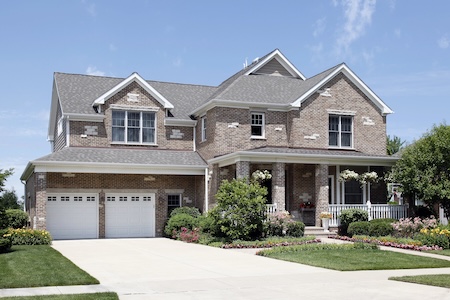
If you are planning a full-home renovation, you are likely asking how long it will take from the first meeting to the final walkthrough. The short answer is that most whole-home projects in Birmingham run several months, with timing shaped by the size of your home, scope of work, design choices, inspections, and weather. This guide breaks down each phase so you can set a realistic schedule and avoid stress. If you want help mapping dates to your floor plan and wish list, explore our whole-home remodel service to see how Compass Contracting of Alabama organizes the process.
What “Whole-Home Remodel” Means
A whole-home remodel updates multiple rooms and systems in one coordinated project. It often includes new layouts, moving or opening walls, updated plumbing and electrical, fresh insulation and drywall, and all-new finishes. In Birmingham, this can range from refreshing an older Crestwood bungalow to reworking a larger home in Hoover or Mountain Brook so spaces feel modern and open.
Typical Timeline From Start To Finish
Every home is unique, but here is a practical view of the phases most Birmingham projects follow. Timelines below reflect common ranges for an occupied single-family home. Larger homes, structural changes, and high-end material selections can add time.
- Pre-Construction Planning (3–8 weeks): goals, site visit, measurements, design direction, and decision on scope.
- Design and Selections (4–10 weeks): drawings, layouts, and picking materials like flooring, cabinets, tile, and fixtures.
- Permits and Procurement (2–6 weeks): submitting plans when required and ordering long-lead items so they arrive on time.
- Demo and Structural Work (2–5 weeks): careful demolition, framing, and any foundation or beam adjustments.
- MEP Rough-Ins (2–5 weeks): plumbing, electrical, and HVAC run to the new plan, followed by inspections as needed.
- Insulation, Drywall, and Texture (1–3 weeks): close up walls and prep for finishes.
- Interior Finishes (4–10 weeks): cabinets, tile, flooring, trim, doors, and paint installed in a planned sequence.
- Fixtures, Appliances, and Final Details (1–3 weeks): lighting, plumbing fixtures, and hardware set; touch-ups complete.
- Punch List and Walkthrough (1–2 weeks): fine-tuning, cleaning, and your final review.
When you add these phases together, many Birmingham whole-home remodels land in the range of several months. Homes with complex layouts, significant structural changes, or specialty finishes trend toward the longer end.
Phase 1: Pre-Construction Planning
This is where clarity saves weeks later. Your team documents existing conditions, confirms measurements, and aligns on goals room by room. You will discuss what stays, what moves, and how you want the home to feel. Expect an initial schedule framework here that will be refined as design choices firm up.
Tip: Decide your must‑haves and nice‑to‑haves before drawings begin. Clear priorities prevent mid-project changes that ripple through the schedule.
Phase 2: Design And Selections
Design drawings and selections drive both cost and time. Cabinet lead times, specialty tile, custom doors, and lighting can impact when certain rooms can be finished. If you are remodeling a historic home in Highland Park or Forest Park, design review may also include solutions that respect character while improving function.
Lock your selections early. Cabinets, appliances, plumbing fixtures, and flooring are common schedule drivers. Having these chosen and ordered on time allows the field team to plan a smooth sequence.
Phase 3: Permits And Procurement
Depending on the scope, some work may require permits and inspections. Timelines vary by project type and season. Material procurement also happens here, focusing on items with the longest lead times. It is normal to see the schedule adjust slightly as shipping dates become clearer.
Phase 4: Demo And Structural Work
Demolition starts once protection is in place for floors, stairs, and any areas that remain occupied. Structural tasks like installing support beams or reframing open-concept living rooms follow. In homes around Vestavia Hills or Trussville, many owners choose this moment to widen doorways or raise headers to bring in more light.
Phase 5: Mechanical, Electrical, And Plumbing Rough-Ins
Plumbers, electricians, and HVAC technicians install new lines and equipment locations. Inspections, when needed, are coordinated so walls can close on schedule. Planning sequences room by room prevents crews from stepping on each other’s toes.
Phase 6: Insulation, Drywall, And Texture
Insulation is placed, then drywall is hung, taped, and finished. Humidity matters here. Birmingham summers can extend drying time, so your team may add dehumidifiers or shift paint to cooler hours to keep quality high without losing days.
Phase 7: Interior Finishes
This is the most visible stretch. Cabinets go in, followed by countertops, tile, flooring, trim, doors, and paint. Sequencing is critical. For example, installing cabinets before final flooring can protect new planks from heavy boxes, while careful protection allows painters to work without marking fresh surfaces. In older Avondale homes, slightly uneven walls or floors can add minor adjustments, which is common and planned for.
Phase 8: Fixtures, Appliances, And Final Details
Lighting and plumbing fixtures are set, backsplashes grouted, hardware aligned, mirrors hung, and appliances slid into place. Small tasks add up. Careful punch-listing and steady oversight here protect the finish quality you will live with every day.
Phase 9: Punch List, Clean, And Walkthrough
Expect a detailed review where blue tape marks small items to touch up. After a professional clean, you will walk the home and confirm everything matches the plan. A good team will schedule a post-move follow-up to make sure settling items are addressed.
What Speeds Up Or Slows Down A Remodel In Birmingham
- Decisions made early: When design and selections are locked, ordering and scheduling stay tight.
- Material availability: Special-order items or custom pieces extend lead times.
- Scope growth: Adding rooms or specialty features midstream adds weeks.
- Weather and access: High humidity, summer storms, or limited parking in tight neighborhoods can affect daily productivity.
- Inspection timing: Appointment availability and re-inspections, if needed, can shift specific days.
Occupied Vs. Unoccupied: Does It Change The Schedule?
Yes. Working around a family’s daily routine requires more protection, dust control, and phasing, which can add time. If you have the option to live elsewhere during heavy work, crews can move faster and combine stages. For many Birmingham homeowners, a temporary move during demo, rough-ins, and finishes shortens the overall calendar and reduces stress.
How To Build A Realistic Schedule For Your Home
Start with a clear scope and a calendar that respects key life events. Holidays, school schedules in Homewood or Mountain Brook, and travel plans all affect access. Your builder will sequence rooms so you keep essential spaces functional as long as possible, then switch over at the right moment.
Two planning habits make a big difference:
Confirm long-lead items at the start. Cabinets, custom doors, and certain tiles often guide the midpoint of the schedule. If any item risks delay, your team can suggest close alternatives that hold the timeline without sacrificing style.
Use one shared schedule. A living document with target dates, inspection windows, and delivery milestones keeps everyone aligned. If a shipment shifts by a week, the team can adjust tasks so days are still productive.
A Sample Month-By-Month View
Although each remodel is unique, many Birmingham projects follow a rhythm like this:
Month 1: Finalize design, confirm selections, and submit permitting as needed. Materials with long lead times are ordered. Site protection and staging plans are set.
Month 2: Demolition begins. Framing and structural changes follow. Rough-ins start in priority areas so inspections can be booked on time.
Month 3: Insulation, drywall, and texture wrap up. Priming and first coats of paint go on. Cabinets arrive and installation begins in the kitchen and baths.
Month 4: Countertops, tile, and flooring proceed room by room. Interior doors, trim, and finish paint elevate the look. Lighting and plumbing fixtures land.
Month 5: Appliances are set, hardware aligned, and final details completed. Punch list and professional cleaning prepare the home for move-in.
If your project is larger or highly customized, add time for expanded framing, specialty millwork, or integrated systems. Your builder can plug your selections into a customized calendar so expectations match reality.
Coordinating Rooms So Life Stays Manageable
Whole-home work does not have to feel chaotic. Smart phasing keeps a bathroom and a basic kitchen setup available as long as possible. As crews finish one zone, they shift cleanly to the next. In neighborhoods with narrow streets or limited parking, like parts of Southside, material deliveries may be scheduled in smaller batches to keep access clear and neighbors happy.
Quality Control Without Losing Days
Birmingham’s climate rewards a steady approach. Rushing through drying times or skipping proper acclimation can backfire later. Your team should verify moisture levels before installing hardwoods, check tile substrates, and protect finished floors during trim work. Small pauses in the right places prevent rework and keep the end date firm.
When To Bring In Your Builder
Early is best. Getting Compass Contracting of Alabama involved during the planning stage means you can test design options against schedule impacts before anything is ordered. If you are comparing layouts, we can flag which choice shortens construction or which selection might add weeks due to supply. Many homeowners start by reviewing our approach on the whole-home remodel page and then tailoring a timeline to their home size and goals.
Ready To Plan Your Whole-Home Remodel In Birmingham?
Set yourself up for a smooth experience by pairing clear design choices with a realistic calendar. If you want a quick overview of the process, the best first step is reading how Compass Contracting of Alabama sequences a whole-home remodel in Birmingham and then booking a consultation. We will outline your phases, map out key milestones, and communicate weekly so you always know what is next.
Let’s Put Dates To Your Vision
When you are ready to talk through your home, reach out to Compass Contracting of Alabama. We will walk your space, align on scope, and present a schedule that respects your life and the seasons in Birmingham, AL. Call us at 205-447-6991 or start by exploring our approach to a complete transformation on the whole-home remodel service page.
INCREASE YOUR HOME’S VALUE WITH OUR BIRMINGHAM HOME REMODELING SERVICES